Tuesday, July 23, 2013

The Importance of Print Design in Marketing


The Importance of Print Design in Marketing


While some may deem print design as outdated in comparison to web design, Terrapin Art & Design views print design as even more exciting. Print design offers many marketing opportunities that web design cannot compete with. Despite the fact that most customers will turn to a company’s website first, no website can replicate the effect of holding an actual object printed with information about a company’s products and services. Print design is often overlooked because it uses materials that blend in with our daily lives, but contrary to popular belief, print design cannot be replaced by web design. 


Print Design vs. Web Design

Print Design vs. Web Design 
Because print design and web design both involve computer generated text and images, they must be the same, right? Wrong. Print design refers to the creation of many elements of our daily lives that may even go unnoticed, such as magazine ads, posters, album covers, and t-shirts. Print design usually involves a few basic components: images, text, layout, symbols, and logos. A good graphic designer will use these elements to create a simple message that informs but does not overwhelm the reader. 


Why Do You Need Print Design?

Why Do You Need Print Design? 
  • Reaching Your Target Audience: Yes, a good website is the best way to reach most target audiences. However, utilizing print design along with your website will allow you to reach a broader audience. In addition, many elements of print design are important parts of attracting new clients, such as brochures and print advertisements.
  • Branding Goes Beyond a Logo: Every company needs a logo, but successful branding goes beyond a simple logo. Both your logo and your website’s fonts, colors, and general layout should coordinate with your printed materials. Presenting a united brand shows customers that your business is professional, and also creates name recognition. 
  • Layout is Crucial: We cannot stress the importance of good layout enough. If customers do not understand your layout, the entire message that you are trying to send could be lost. A good graphic designer has the knowledge and experience to structure a layout that will reach customers and bring in business.


Why You Shouldn’t Just DIY

Why You Shouldn’t Just DIY 
Many business believe that they can simply take a “do-it-yourself” approach to print design. After all, how difficult could it be to type up information about your company and format it nicely? There are many reasons why having an experienced graphic designer on your team is an invaluable resource. 
  • Experience: The most important benefit of hiring a graphic designer is that they have experience. Not only does a graphic designer possess technical skills, but he or she also has industry-based knowledge about what works, and what does not work.
  • Details: With print design, it all comes down to details. Successful graphic design will allow your company’s information to stand out while still blending in. Sound confusing? Consider the marketing strategies of successful brands. They engage their potential customers without overpowering them, which is a strategy that visually pleases their audience and attracts new clients.
  •  Logo: While branding is more than just a good logo, a logo is very important to begin any successful marketing campaign. Graphic designers are trained to create logos that will lead to brand recognition. This logo should appear on all materials: website, business cards, brochures, advertisements, etc. Your logo will unite any materials connected to your company and send the message that your business is professional and reputable.


Choosing Terrapin Art & Design

Choosing Terrapin Art & Design 
Terrapin Art & Design has much to offer potential clients when it comes to both web design and print design. Not only will we create a logo for your business, but we also offer services to coordinate your website and print materials. We can assist with a number of print material campaigns, such as direct mail, display ads, sell sheets, sales presentation kits, newsletters, brochures, flyers, billboards, signs, and vehicle graphics. Our team can bring your business to life with a consistent design for your marketing campaign.

Friday, May 24, 2013

Preparing for Employee Photo Day


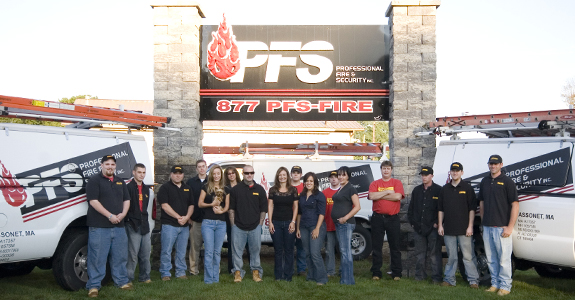
At Terrapin we've always said that people like doing business with other people.  A website and marketing materials provide the perfect opportunity to introduce the team that makes your business unique.  Whether you hire a professional photographer or decide to use a point-and-shoot camera, taking some time to plan an employee photo day will give you a better shot at getting great photographs.


1.  Decide Who Needs to be Photographed -  Typically the management team will be photographed individually.  But don't stop there.  Think of how you can group other employees together - sales team, administrative staff, etc and get photos of them too.  If you have a large number of employees a team photo easily communicates the size of your organization.  Create a list of all the photos (and whose in them) so that you, your staff and your photographer can stay organized.

Decide Who Needs to be Photographed


2.  Select a Variety of Locations - The interior and exterior of your facility can provide unique backdrops for your photographs.  Take a few minutes to look around and see what might work.  A solid colored wall, someone's work area, the main entrance to the building all make great candidates.

Solid Color Background
Select a Variety of Locations - Solid Color Backgrounds

Inside Your Location
Select a Variety of Locations - Indoors

Take Advantage of the Beauty of Nature
Select a Variety of Locations - Ourdoors 

3.  Set a Dress Code - Whether uniforms, logo'd shirts or just company colors, a dress code will add consistency to the photos.

Set a Dress Code 

4.  Prepare Your Team - Make sure employees are aware of the dress code, time of photographs and anything else that may be expected of them.  Provide as much advance notice as possible and then remind them a few days prior.  This way they can look their best.


Prepare Your Team 

5.  Make it a Fun Event - Some people love being in front of the camera.  Others... not so much.  Come up with ideas to help lighten the mood.  Food, music, laughter.  If you're employees are having a good time it will show through in the photographs.


Make it a Fun Event


Some time spent planning will save time and stress for everyone come photo day.  Happy planning!

Wednesday, April 24, 2013

3 Steps to Keep Your Company History Current

During our years in business we've met with a lot of companies around RI and Southeastern MA.  Some have been around for decades, others over a century.  We commonly see old framed photos around their offices and it's always interesting to us to get a glimpse into the past and see how it was done "back in the day".

As we start a new project we're excited to have all this great photography to work with... and then it happens.  It turns out that many of these companies have not done a good job of documenting the past 10 or more years of their history.  There is little to no photography for us to work from.

Digital photography has come a long way in the past decade.  A point and shoot camera, even the camera on your mobile device can capture an impressive photo.  You just have to be on the lookout for things to photograph:

1. Things that are New
  • Employees or key personnel
  • Products and services
  • Equipment, vehicles, capabilities
  • New location or facility remodel

2. Events that are Timely
  • Recently completed project
  • Company outings / celebrations
  • Special sales or celebrity appearances
  • Employee training sessions
  • Exhibit at a tradeshow

3. Achievements that are Recognized
  • Awards & certifications
  • Employee recognition
  • Speaking engagements

If you get yourself in the habit of taking photos on a regular basis, you'll soon have a treasure trove of recent happenings that you can use to market your business online, in print, or through social media.  And you will give someone 50 years down the road more interesting photos of the past to learn from.

Monday, April 15, 2013

Choosing Between Commercial and Stock Photography


To effectively market your small business, you need eye-catching photography front and center. Two excellent options can load your marketing strategy with images that pop; high quality stock or commercial photography.

Commercial or Stock; You Win Either Way
Both commercial and stock photography convey a tone of professionalism and pique customer interest. A powerful stock image on your brochure cover or a homepage slideshow of commercial photography engages readers and visitors.

Commercial and stock both draw attention to your marketing collateral, but they have their differences. It comes down to your small business’ wants, needs and budget.


Controlling Your Company Image
A key advantage of commercial photography is control. You determine what the camera lens captures:
  • You control your company’s unique image and portrayal
  • You control exactly how your brand is built going forward
Commercial photography is more expensive, but you own the photos free and clear. If the money isn’t there or you want to invest elsewhere, stock photography is the ideal alternative.


Your Company Image is in-Stock
Carefully chosen, compelling stock images can give you the same results as commercial photography. Among many factors to consider in the stock selection process is relevance. Choose stock photos that tie in to your company, product or service.

Services like iStock boast a catalog of millions of photos by category. You don’t need to be an expert photographer. Simply browse the libraries and ask yourself; “Do I want this image representing my company?” Trust your judgment, instinct and keep an eye out for:
  • Out-of-date or general poor quality photos
  • Photos featuring “overposed” or stiff-looking people
  • Similar photos being used by your competition
Stock photos come with a lower cost, but there is a price spectrum. Spend on the higher end of this scale. These photos are less likely to have been purchased by competitors, making them more exclusive.


Mix and Match Commercial and Stock
Stock-only or commercial-only strategies might not work for you. Not a problem; simply combine the two.

Lead your direct mail with a customized commercial photo, then fill out the piece with corresponding stock images. This stock/commercial team-up gives you budget flexibility and a commanding company message.

Choose YOUR Best Option
Your photography is on the front line of your company’s sales efforts. You know your business and industry. You know what works and what turns potentials away. Whether you hire a commercial photographer, utilize the boundless supply of polished stock photos or unite the two, just apply your expertise to the process for a strategy that sells.

Wednesday, April 3, 2013

Marketing is Easier with Quality Photography

Marketing is Easier with Quality ContentYour marketing materials are the first impression your small business makes to potential customers. Visitors literally make a 50 millisecond visual assessment of your company website. Printed collateral and advertising have a similar small window to impress. This fraction of a glance will determine if they will call you or move on to a competitor.

To pass this visceral test, your marketing campaigns need quality photography. This includes professional digital images of:
  • People
  • Products and services
  • Business locations


Get Your Team In Frame
Stedman & Kazounis Plumbing & Heating - People Photography by Terrapin Art & Design


Get Your Team in Frame
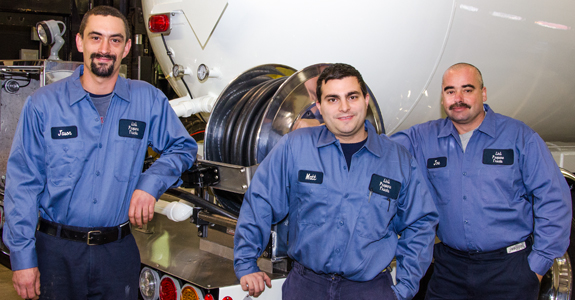
You greet customers with a smile and welcoming introduction. Your business marketing materials need to make the same human connection, meaning photos of people. Smiling people on your brochures,direct mail and other materials deliver the same impact of a friendly, in-person reception. 

Professional and Positive Photographs of Yourself & Your Team
White Cross Pharmacy - Portrait Photography by Terrapin Art & Design

Once you’ve established this human connection, you must reach the next level with a personal connection. Professional and positive photographs of yourself and your team in action make customers feel like you’ve already met upon that first handshake.
Customers want an idea of what they’re buying. Detailed, educational photos allow customers to experience your service or handle your product digitally.

Feature team members producing or handling your products, or delivering services to a customer. Effective photos bring customers to your door for that closer look at what your small business offers. 
“This is the Place”
Your facility, store or office needs to convey the same productivity and professionalism online as it does in person. Get some outside shots of your business, making it recognizable to new arriving customers who viewed it online. 

Interior Photography of You Business
Benjamin's Restaurant - Location (Interior) Photography by Terrapin Art & Design
Encapsulating, wide shots of the inside of your facility show the scope of your company. Team members hard at work at their desk or workbench displays your dedication and the benefits of partnering with your company. 

Your small business has years of experience, highly-skilled employees and markets with well-written,informative content. But poor quality photos might scare off potential customers before they can learn about your company’s capabilities. Give customers the true experience of your small business using professional custom marketing photography.

Check in with Terrapin and our next Shout Box installment, a breakdown of stock photography vs. customer commercial photography in small business marketing.